
Consider it all joy, my brethren, when you encounter various trials, knowing that the testing of your faith produces endurance. And let endurance have its perfect result, so that you may be perfect and complete, lacking in nothing. (James 1:2–4)
There are a lot of words James could have chosen when speaking of trials. He could have said: don’t get discouraged, stay focused, stand strong, hunker down, keeping going, never let them see you sweat… But he said “consider it all joy.” What? How does that work?
He doesn’t limit the imperative to only the very slight or easily handled trials we face. This instruction applies to various trials, of all sorts, and of many kinds. Big and little, painful or only a light nuisance, brief or lengthy… count it joy. That is not our natural inclination. I would rather complain, become bitter, moan and groan, vent, get depressed, wonder (out loud or in my mind) why this is happening to me. James, the bond-servant of God, faced considerable trials himself, and yet he tells us to consider it pure joy.
God Can Use our Trials
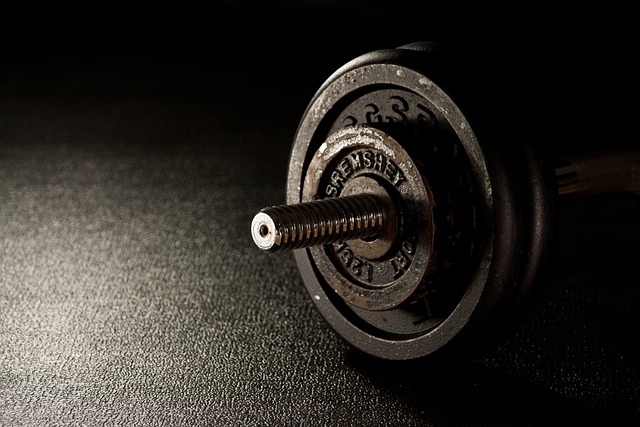
There’s a really good reason for this. It’s not that we are to delight in the suffering itself. One might wonder about our mental state if we did. “The car broke down. Wohooo! That’s wonderful news! Let’s throw a party!” No, we don’t enjoy the trials themselves, but we can appreciate what God is doing in the midst of our trials. A weightlifter doesn’t enjoy “feeling the burn” in his muscles after a particularly intense workout, but he enjoys the results of growing stronger. The Christian doesn’t enjoy “feeling the burn” of our painful ordeals, but we enjoy the result of growing stronger in our faith and deeper in our walk with the Lord.
Trials test our faith. Is it real? Is it genuine? Is it enduring? Or is it fake? Is it shallow? Is it fleeting? Even apostles got discouraged at times (2 Cor. 1:8), but they took solace knowing that perseverance in the midst of life’s sorrows was an evidence that faith in Christ is real. There are times we would collapse if walking in our own strength, but the Lord picks us up so we can keep going.
Tests are not meant to destroy the learner, but provide an opportunity to apply what we have learned. We might say that we believe God is faithful. But as we as we actually hold onto him while we are hurting, we demonstrate our belief in his faithfulness.
The testing of your faith produces endurance (steadfastness, patience, perseverance). It doesn’t take much to reach the end of ourselves. Even the lightest of troubles have a way of exposing our limits and exhausting our strength. When we don’t have the emotional energy to take another step, all that’s left for us to do is fall into the arms of God. He has been there all along, but we have a habit of forgetting him when life is going our way. It’s when we’re at our weakest that we find real strength because we have no other choice but to rely on him. Those struggles build spiritual muscles, as we learn to rely on him in all circumstances, whether good or bad. The smaller adversities help prepare us for the bigger adversities. The lighter afflictions pave the way for heavier afflictions.
Two Things Are Certain in Life
There are at least two things we can certain of in this life. First, you will encounter troubles in this world. Second, the Lord will always be there to carry you through. As we remember the way God has been faithful to us in the past, we will have confidence that his faithful presence will be with us in the future.
Let endurance have it’s perfect result. Another imperative tells us this work is not automatic. Trials can build character (Romans 5:3-5). Troubles can help us grow. This is the good result that God wants to bring about as we trust in him. But the devil is also working in this world and he would use our trials to tear us down. He is always whispering lies into the ears of those who would listen: “nobody cares about you,” “you’re on your own,” “if the Lord really loved you he wouldn’t make you go through this.” When we listen to those lies, we will sink into the quicksand of despair, becoming angry and bitter. Trials can become a stumbling block and a snare if we’re not paying attention to the enemy’s schemes. Instead, let perseverance have it’s full effect. Lean on the Lord, in the midst of our struggles. As we continue to follow him, even when the road is difficult, we mature in our faith.
You could choose to give in to self-pity and despair when trials come. Or you can choose to consider it all joy, giving thanks to the work God is about to do in your life.